When it comes to global wealth, men dominate most headlines—but a closer look reveals a different picture. Some of the wealthiest people in the world today are women, each holding a fortune worth $25 billion or more. Their money isn't tied to just one industry. It spans cosmetics, mining, retail, technology, and more.
While a few inherited their wealth, others have taken active leadership roles or turned quiet inheritances into major influence. These women are reshaping industries, investing heavily in causes they believe in, and maintaining financial empires that reach far beyond their names.
World’s 10 Richest Women with $25 Billion+ Fortunes Revealed
Françoise Bettencourt Meyers – The L’Oréal Heiress
Françoise Bettencourt Meyers, with a net worth exceeding $90 billion, is the richest woman in the world. She inherited her wealth through the L'Oréal empire from her mother, Liliane Bettencourt. Meyers serves on the company's board and plays a role in overseeing the family's 33% ownership in the company. Outside of business, she writes theological books and supports science, culture, and disaster recovery projects through her family's philanthropic foundation. Her approach to wealth is measured and consistent, emphasizing long-term value rather than the spotlight.
Alice Walton – Art, Not Business
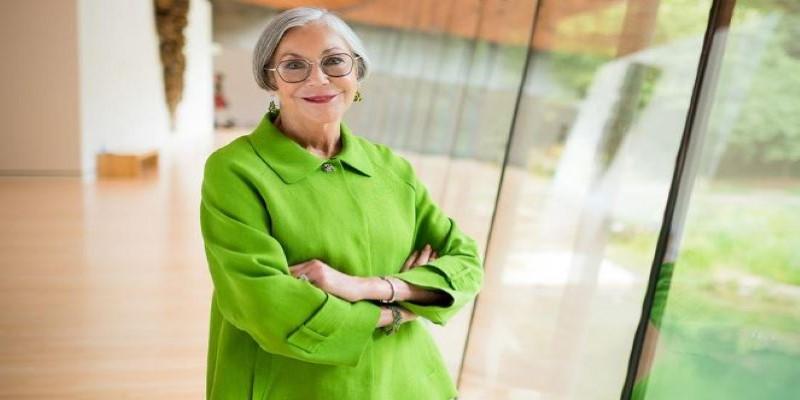
Alice Walton, daughter of Walmart founder Sam Walton, has a net worth of over $60 billion. Unlike her brothers, she never joined the Walmart executive team. Instead, she focused on her love for art and established the Crystal Bridges Museum of American Art in Arkansas. Her wealth remains rooted in Walmart stock, but her influence is most visible in cultural circles. Walton’s role in reshaping regional access to art has earned her respect well beyond retail boardrooms.
Julia Koch – Quiet Billionaire from Koch Industries
Julia Koch’s fortune, over $60 billion, comes from her stake in Koch Industries, which she inherited after her husband David Koch passed away. The industrial giant operates across energy, chemicals, and more. Though not a public figure, Julia has taken an active role in philanthropy, especially in education, medical research, and cultural institutions. Her wealth has grown steadily as the privately held company expands globally.
Jacqueline Mars – The Sweet Inheritance
Jacqueline Mars owns roughly one-third of Mars Inc., the well-known brand behind M&M's and pet care products like Pedigree. With a net worth of over $38 billion, she stands among the wealthiest women in the world. Though she previously worked in the family business, she no longer holds an operational role. Instead, she contributes to nonprofit boards and supports causes related to heritage conservation and equestrian sports. The Mars family has kept the company private, allowing it long-term control and stability.
Gina Rinehart – Australia’s Mining Mogul
Gina Rinehart controls Hancock Prospecting, a major mining company she inherited from her father. Her net worth exceeds $30 billion, driven by booming iron ore demand. Rinehart played a hands-on role in expanding the company during Australia’s resource surge. She's known for strong political opinions and has been active in shaping mining policy. Under her leadership, Hancock Prospecting remains one of Australia’s most successful private firms.
Miriam Adelson – From Medicine to Media
Miriam Adelson, worth more than $30 billion, inherited her fortune from her late husband, Sheldon Adelson, the founder of Las Vegas Sands. She began her career as a medical doctor and has since become known for her philanthropic and political involvement. She remains active in media and publishing and continues to shape conversations through charitable work and political funding. Her wealth, once tied to global resorts, has shifted with changing investments but remains substantial.
MacKenzie Scott – Philanthropist First

MacKenzie Scott became one of the wealthiest women in the world after her divorce from Amazon founder Jeff Bezos. She received 4% of Amazon shares, worth over $35 billion at the time. Now valued at over $28 billion, her fortune has been steadily declining—by choice. She’s donated more than $15 billion to thousands of nonprofit organizations, often with no public announcements. Her low-key style and rapid giving pace have made her a distinct figure among billionaires.
Susanne Klatten – Engineering and Pharmaceuticals
Susanne Klatten’s fortune, over $25 billion, comes from her inherited shares in BMW and Altana, a chemical company. She holds degrees in business and chemistry and has taken a strong role in expanding her family's holdings. Klatten is not just a shareholder but an active investor, steering investments in startups, sustainability, and manufacturing. Her business experience has helped modernize the companies she inherited.
Iris Fontbona – Chile’s Quiet Billionaire
Iris Fontbona controls mining giant Antofagasta and a large share of the Luksic Group, one of Chile’s largest conglomerates. Her net worth is estimated to be over $25 billion. After her husband’s death, she and her sons took over the family businesses. Fontbona maintains a low profile, but her family continues to be central to industries like mining, energy, and banking in South America.
Abigail Johnson – Fidelity’s Steady Hand
Abigail Johnson is CEO of Fidelity Investments, a financial firm managing trillions in assets. Her fortune of over $25 billion comes from her family's ownership in the company. She’s modernized the firm by embracing digital tools and expanding into alternative investments. Johnson has been with Fidelity since the late 1980s and became CEO in 2014. Her leadership has kept the company competitive without flash or fanfare.
Conclusion
The world’s 10 richest women aren’t just rich—they're influential, measured, and often out of the spotlight. Whether they inherited their fortunes or built upon them, they have shown different ways to maintain and grow wealth. Some prefer active roles, others choose philanthropy, but all contribute in ways that go far beyond their net worth. Their presence in global finance, industry, and charity is growing—and that influence is starting to shift the public conversation around wealth, leadership, and legacy. Their stories prove that wealth managed quietly can still speak volumes.