When planning a visit to Poland, the choice often comes down to two standout cities: Warsaw and Kraków. Each has a distinct personality, atmosphere, and rhythm of life. While they’re separated by only a few hours of travel, the experience in each is remarkably different. From urban lifestyle to cultural tone, from modern appeal to artistic flair, both cities have compelling reasons to win a traveler’s heart.
The decision between them isn’t about which city is “better,” but rather which one aligns more closely with individual interests and travel preferences. This guide offers a practical, human-centered comparison to help visitors decide where to go—or whether to explore both.
Urban Atmosphere and Daily Energy
Warsaw is the larger of the two, serving as the capital and the country’s primary business hub. It has a more fast-paced urban energy, especially noticeable during the weekdays when professionals fill the streets, and modern office towers line major avenues. The infrastructure is broad and efficient, and neighborhoods are well-connected by trams, buses, and metro lines.
In contrast, Kraków feels more compact and atmospheric. Its pace is slower, and daily life seems more rooted in tradition and community. With a more walkable layout, the city encourages exploration on foot, especially around its charming Old Town and riverside districts. Kraków’s vibe leans more artistic and bohemian, while Warsaw feels more metropolitan and driven.
Architecture and Cityscape
In terms of layout and appearance, Warsaw is modern and eclectic. Post-war reconstruction brought a mixture of styles—functional blocks, green city parks, glass high-rises, and restored historical buildings. The result is a city that feels constantly evolving. For those who appreciate dynamic urban planning and changing skylines, Warsaw offers something visually interesting at nearly every corner.
Kraków, on the other hand, is remarkably well-preserved. The city’s architecture flows seamlessly through charming cobblestone alleys, elegant squares, and grand facades. Visitors looking for a visually cohesive and romantic urban setting will likely find Kraków more appealing.
Cultural Offerings and Creative Life
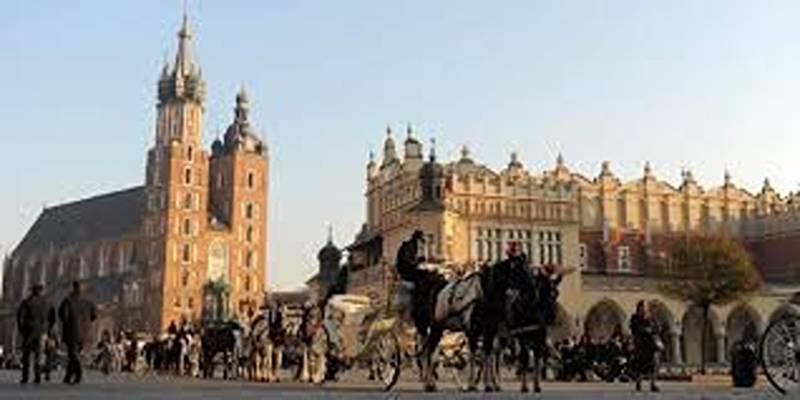
Kraków has long been considered the cultural capital of Poland, and this reputation holds strong. Its theaters, art galleries, and local artisan markets reflect a rich creative spirit. The city also has a more intimate relationship with its creative communities, offering visitors a chance to experience everything from street art to independent bookshops and handcrafted goods.
Warsaw, while more spread out, holds its own with a wide range of cultural institutions. Major art museums, experimental theater groups, and contemporary design studios are scattered throughout the city. The creative scene here is a bit more edgy and forward-looking, appealing to those interested in new trends, digital arts, and urban innovation.
Public Spaces and Green Areas
Surprisingly for a capital city, Warsaw is incredibly green. Large parks like Łazienki and Pole Mokotowskie serve as lungs of the city and are perfect for long walks, runs, or relaxing under tree canopies. Warsaw’s riverbank has been transformed into a recreational hub, with modern promenades and cycling paths.
Kraków also offers generous green spaces, though in a different way. The Planty Park encircles the Old Town, giving visitors a peaceful loop for walking. The riverfront by the Vistula adds a calm element to the cityscape, especially for those looking to relax near the water. Both cities score well on outdoor space, but Warsaw offers larger and more varied green zones, while Kraków’s are more integrated with its historic center.
Transportation and Mobility
Warsaw excels in transportation. The network of trams, buses, and two metro lines is well-organized and reaches nearly every part of the city. Traffic can be dense during rush hours, but the public transport system is reliable and inexpensive. It's also very easy to get around by bicycle, thanks to a growing system of bike paths.
Kraków does not have a metro, but its tram and bus system is effective within its more compact layout. It’s easier to explore on foot, and distances between key areas are shorter. For visitors who enjoy walking as a primary mode of transport, Kraków is incredibly friendly and navigable.
Food Scene and Local Markets
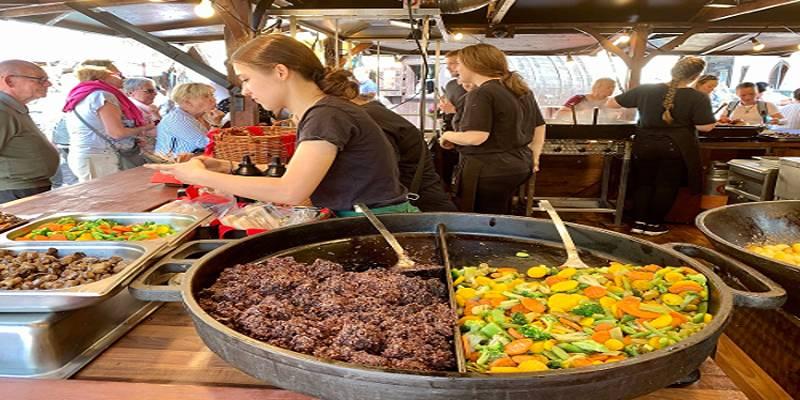
Kraków is especially known for its intimate restaurants, cozy bakeries, and small eateries with a personal touch. Weekly markets, local food stalls, and artisan producers create a culinary landscape that feels grounded in community and tradition.
Warsaw takes a more cosmopolitan approach. The food scene is influenced by international trends, with modern restaurants, experimental menus, and fusion cuisine growing in popularity. Warsaw’s dining options feel broader and more global, catering to a larger, more diverse population.
Accommodation and Neighborhood Options
Warsaw’s neighborhoods vary widely in character. Travelers can choose between business districts with modern hotels, quiet residential zones with parks, or lively central areas filled with cafés and shopping. The range of accommodation is vast—from budget hostels to boutique hotels and serviced apartments.
Kraków has a more concentrated layout. Most accommodations are within walking distance of the Old Town or the Kazimierz district, which is ideal for travelers who prefer to stay close to key attractions. Kraków’s hotels often reside in renovated townhouses or classic buildings, offering a touch of charm.
Which City Matches Your Travel Style Best?
- Choose Warsaw if you enjoy modern cities, like dynamic environments, and prefer access to a wide range of services, public spaces, and professional amenities. It suits business travelers, digital nomads, and those who enjoy exploring diverse neighborhoods over a larger area.
- Choose Kraków if you appreciate walkable cities, artistic energy, and intimate local experiences. It’s perfect for travelers who enjoy relaxed city life with strong local character and cultural depth.
Conclusion
Deciding between Warsaw and Kraków depends entirely on what kind of traveler you are. Both cities offer rich, fulfilling experiences, but they deliver them in very different ways. Warsaw is about movement, contrast, and modern identity. Kraków is about atmosphere, closeness, and aesthetic charm.
Some travelers fall in love with Kraków’s timeless streets, while others are drawn to Warsaw’s energy and diversity. Ultimately, the best way to decide might just be to visit both and let each city speak for itself.