The federal funds rate affects almost every corner of the economy—from mortgage costs to how much businesses invest. This short-term rate is what banks charge each other to lend overnight, but it influences what consumers and companies pay to borrow money. Since 1981, the U.S. economy has gone through inflation spikes, recessions, recoveries, and global events, each leaving a mark on interest rate decisions. The shifts in the federal funds rate over time show how the Federal Reserve responds to changing conditions. It's a simple number with a long history and lasting impact on daily life.
The Early 1980s: Fighting Inflation with High Rates
In the early 1980s, inflation was running wild. Prices were rising at double-digit rates, and the purchasing power of the dollar was shrinking fast. Paul Volcker, then Federal Reserve Chair, responded with sharp increases in the federal funds rate. In 1981, the rate peaked near 20%, a deliberate move to bring inflation down. This wasn’t just a minor policy tweak—it was a shock therapy approach aimed at breaking inflation expectations that had taken root in the economy.
The cost of this decision was steep. The economy entered a deep recession. Businesses closed. Unemployment climbed above 10%. Still, the rate hikes achieved their goal: inflation began to fall by the mid-1980s. Once inflation was under control, the Fed began cutting rates to support a return to economic growth. This period made one thing clear—using interest rates to control inflation works, but the side effects can be painful.
The 1990s: A Period of Balance and Soft Landings
After the turbulence of the early 1980s, the 1990s offered a more stable stretch. The decade began with a brief recession in 1990-1991, prompting the Fed to cut rates to help the economy recover. As growth resumed and the job market improved, the Fed adjusted rates gradually, trying to avoid overcorrecting in either direction.
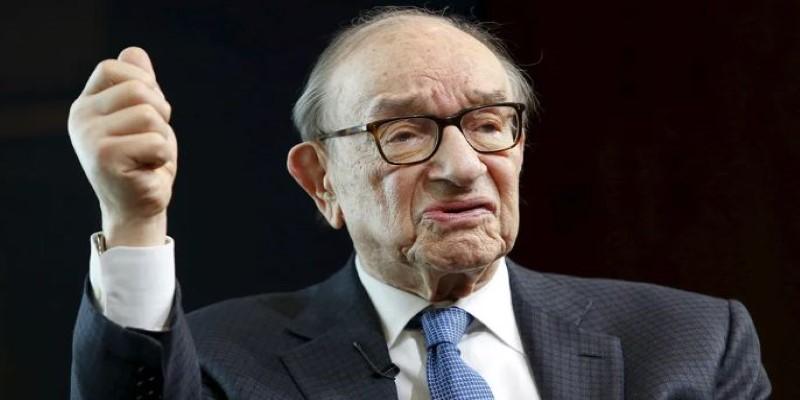
For most of the decade, the federal funds rate ranged between 3% and 6%, with changes that reflected the Fed’s effort to maintain balance. These years are often seen as a period of steady expansion. Inflation remained moderate, and unemployment declined as the tech boom gained momentum. Under Chair Alan Greenspan, the Fed aimed for what many saw as a “soft landing”—a slowdown in growth without triggering a recession.
Rather than reacting to a crisis, the Fed spent much of this decade fine-tuning policy. The result was a long period of economic expansion, low inflation, and growing consumer confidence. The federal funds rate played a key role in keeping things on track.
The 2000s: Booms, Busts, and Emergency Cuts
The start of the 2000s brought a different kind of challenge. After years of strong growth, the dot-com bubble burst in 2000, leading to a downturn. That was followed by the 9/11 attacks in 2001, adding uncertainty to the economy. In response, the Fed slashed the federal funds rate, dropping it to 1% by 2003. The goal was to make borrowing easier and encourage spending.
These low rates helped fuel a housing boom. But by 2006, warning signs appeared. The Fed gradually raised the rate to 5.25% as the housing market overheated. Then the bubble burst, and the global financial system was hit hard. The 2007–2008 financial crisis followed, prompting another wave of emergency actions. The Fed cut the rate all the way back down to 0% to 0.25% by the end of 2008.
The Great Recession changed how the Fed operated. With traditional rate cuts no longer possible, it turned to other tools like bond-buying programs to support lending and investment. The federal funds rate remained near zero for years, helping the economy stabilize and recover—though the rebound was slow.
The 2010s to Present: Recovery, Pandemic, and the Inflation Comeback
Following the financial crisis, the economy entered a long but uneven recovery. For most of the 2010s, the federal funds rate stayed near zero. Inflation remained muted, and the Fed saw no reason to raise rates quickly. Growth was steady but unspectacular. By late 2015, with jobs returning and consumer spending picking up, the Fed began raising the rate in small steps.
By 2018, the rate reached 2.5%. The economy was growing, unemployment was low, and inflation was close to the Fed’s 2% target. It looked like the post-recession era was ending. But in 2020, a global health crisis changed everything.
To cushion the blow of the pandemic, the Fed again cut the federal funds rate to 0% to 0.25%. Economic activity slowed sharply, and millions of jobs were lost. These emergency low rates, along with trillions in federal stimulus, helped prevent a deeper collapse.
In 2021 and 2022, inflation returned fast—faster than many expected. Global supply chain issues, worker shortages, and strong consumer demand all pushed prices higher. In response, the Fed began a rapid series of rate hikes in 2022, raising the rate to 5.25% to 5.5% within a year. This aggressive shift signaled a major change in approach after years of low-rate policies.
As of 2025, the federal funds rate remains high compared to the past decade. Inflation has cooled, but the Fed remains cautious. Its decisions now hinge on how stable inflation stays and whether the economy can grow without reigniting price increases. The long-term effect of this sharp rate cycle is still playing out in the housing market, consumer credit, and overall economic confidence.
Conclusion
From 1981 to the present, the story of the federal funds rate reflects the economic challenges and responses of each era. In times of crisis, the Fed has cut rates to spark activity. When inflation looms, it has raised them—sometimes dramatically—to cool things down. Each phase, whether marked by recession, recovery, or expansion, has tested the limits of monetary policy. The rate isn’t just a number—it’s a signal of where the economy stands and where it might be headed. As the Fed continues to monitor inflation and growth, the federal funds rate will remain a central tool in shaping the financial direction of the country.