Not every breathtaking architectural space in Europe is found in a museum or cathedral. Tucked behind quiet doors and unassuming facades, many of the continent’s most beautiful interiors belong to libraries—spaces designed for reflection, learning, and visual awe.
While places like the British Library and the Bibliothèque Nationale de France are well-known institutions, there are equally stunning, lesser-known gems scattered throughout Europe. These eight libraries not only hold vast collections but also offer visitors a quiet, aesthetically remarkable escape from tourist-heavy landmarks.
1. Admont Abbey Library – Austria
Nestled in a remote region of Austria near the Ennstal Alps, the library at Admont Abbey impresses with its harmonious design. Its grand hall stretches over 70 meters and is illuminated by natural light that filters through high-arched windows. The white and gold colour palette, combined with intricate ceiling frescoes, creates an airy, cathedral-like atmosphere that feels more spiritual than scholarly.
This library is often described as one of the largest monastic libraries in the world, yet it rarely feels crowded. Sculptures and bookcases follow a symmetrical layout, and the soft pastel detailing offers a calming contrast to the towering structure.
2. Biblioteca Joanina – Portugal
Located within the University of Coimbra, Biblioteca Joanina is a lesser-visited baroque masterpiece. Unlike more contemporary library spaces, this one feels ceremonial, with dark woods, gilded trim, and carefully controlled lighting. Despite the ornate detail, the layout invites quiet contemplation, with high ceilings and deeply recessed bookcases adding a sense of privacy.
What makes this library particularly special is the sensory experience: the air holds a scent of aged wood and paper, and the acoustics dampen outside noise. Visitors often remark on how quickly the space encourages stillness. It remains one of Portugal’s most visually impressive academic interiors—and one that still flies under the radar for many international visitors.
3. Strahov Monastery Library – Czech Republic
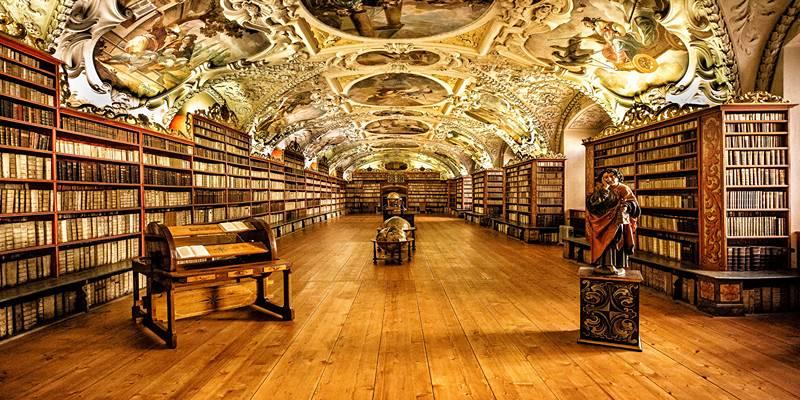
Above the streets of Prague in the Strahov Monastery complex lies a library that feels untouched by modern distractions. Divided into two separate halls, the space features baroque and classical elements arranged with refined symmetry. The frescoes above depict allegorical scenes that mirror the themes found within the books below.
Polished wooden floors, ceiling murals, and antique globes create an atmosphere of timeless learning. With fewer crowds compared to Prague’s better-known attractions, the library offers an elegant retreat. Visitors are encouraged to move slowly through each space to fully appreciate the detailed craftsmanship and balanced proportions of the architecture.
4. Klementinum Library – Czech Republic
Also located in Prague but often missed by tourists, the Klementinum Library offers a darker, more intimate aesthetic. With walls of polished wood, brass detailing, and softly glowing ambient light, the space feels enclosed in a comforting way. Spiral staircases, antique instruments, and celestial motifs all add to the impression of a sanctuary devoted to both science and literature.
Though smaller than some of the other libraries on this list, the Klementinum’s atmospheric richness and layered design offer an unforgettable visit. Those who value spaces where form meets function in quiet elegance will find this library a hidden treasure within a bustling capital.
5. Wiblingen Abbey Library – Germany
The Rococo library at Wiblingen Abbey, near Ulm, Germany, blends playfulness with precision. Its cheerful colours and dynamic details make it stand out from the often somber tone of many traditional European libraries. White, pastel blue, and gold dominate the palette, while sculpted columns, decorative statues, and ornamental motifs guide the eye across the space.
Despite its ornate style, the layout maintains a peaceful rhythm, and the symmetry creates a sense of calm. The library is compact, yet it feels expansive due to its high ceilings and clever use of reflective light.
6. Library of Mafra Palace – Portugal
Set within the monumental Mafra Palace, this library remains one of the most aesthetically refined spaces in Portugal. Long marble corridors run beneath intricately vaulted ceilings, while tall wooden shelves line the walls with curved edges that follow the architecture’s rhythm. Even though the palace itself is expansive, the library maintains a tranquil tone.
The layout encourages unhurried movement and quiet focus. Its warm tones, soft lighting, and orderly symmetry make it a place not just to observe but to inhabit. For those who appreciate architecture that prioritizes balance and light, the Mafra Palace Library remains a deeply satisfying discovery.
7. National Library of Latvia – Latvia
In sharp contrast to many of the baroque or Rococo interiors on this list, the National Library of Latvia in Riga embraces a minimalist, modern design. Nicknamed the "Castle of Light," the structure’s striking glass facade rises above the city skyline with clean, geometric lines. Inside, the use of natural materials, open floor plans, and panoramic windows creates a calm, forward-looking atmosphere.
Though less ornate, this library’s beauty lies in its clarity. Wide staircases, quiet reading zones, and abundant daylight define the experience. It's a space where silence feels intentional and thoughtful design guides every interaction.
8. Melk Abbey Library – Austria
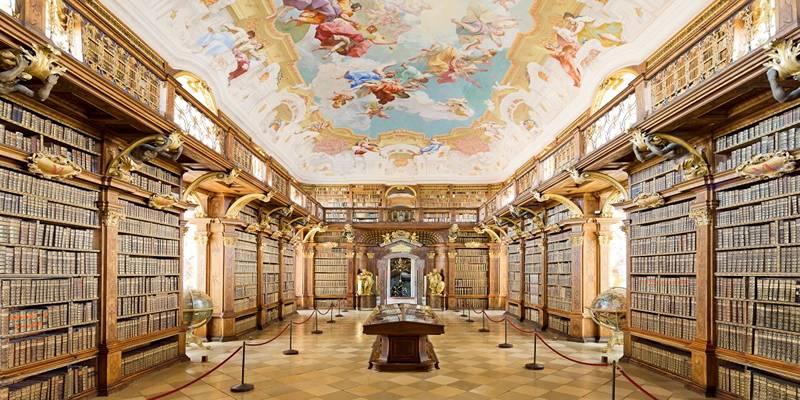
Often overshadowed by the grandeur of the abbey’s church, the library within Melk Abbey deserves its spotlight. The room is built in warm tones of amber and gold, with murals above that depict themes of knowledge and wisdom.
Rows of carefully preserved manuscripts fill wooden bookcases, and natural light streams in from tall windows that balance the ornate interior. What sets this library apart is its sense of flow. Every element—from the curves of the balcony to the transitions between floor and ceiling—feels connected.
Conclusion
These eight libraries offer more than access to books—they provide an invitation to slow down, observe, and connect with spaces designed to inspire thought and creativity. While they may not appear on every travel guide, each one offers a powerful reminder that beauty and tranquillity often reside in quiet, less-discovered places. For those willing to explore beyond the usual tourist landmarks, these hidden European libraries promise unforgettable moments framed by exceptional design.