Indonesia is a vast archipelago of over 17,000 islands, making transportation a central part of any traveler’s itinerary. Whether you’re heading to bustling Jakarta, relaxing in Bali, or exploring remote islands, knowing how to move around efficiently is essential.
Due to the country's geographical layout, travel involves a mix of air, land, and sea transport. This guide will help you navigate all major transportation options, from public buses to domestic flights and inter-island ferries, ensuring a smooth travel experience throughout Indonesia.
Air Travel
Indonesia’s scattered geography makes air travel the most convenient option for covering long distances between islands. Major cities such as Jakarta, Denpasar (Bali), Surabaya, and Medan are well-connected through regular domestic flights operated by airlines like Garuda Indonesia, Lion Air, Batik Air, and Citilink.
Airports range from large international hubs to smaller regional terminals, for off-the-beaten-path destinations such as Flores or the Moluccas, turboprop aircraft are common. Booking in advance is recommended, especially during holidays or peak tourist seasons when flights fill up quickly and prices increase.
Budget airlines often offer competitive rates, but travelers should be aware of possible additional charges for luggage and limited onboard services. If you’re planning to explore multiple islands, flying can save you days of travel compared to sea transport.
Ferries and Boats
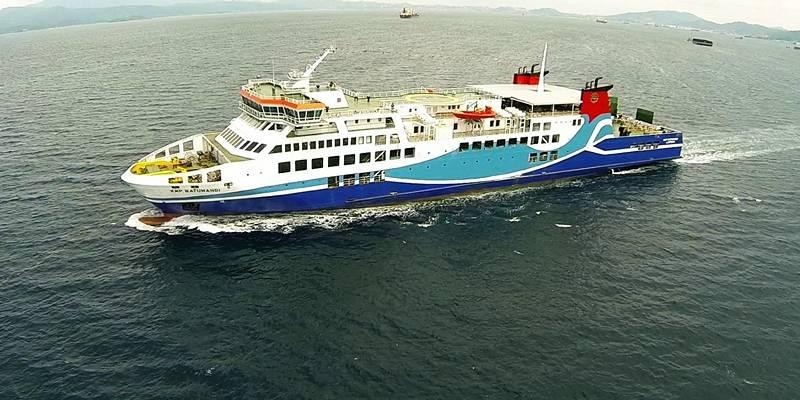
For island-to-island movement, sea transport is indispensable. Government-run ferry companies like ASDP operate regular routes between major islands, allowing both passengers and vehicles to cross the sea. These ferries vary in quality and travel time but remain a crucial component of Indonesia’s national transport infrastructure.
In addition to large car ferries, long-distance passenger vessels operated by Pelni connect far-reaching ports. While not the fastest, these ships offer an affordable way to reach less accessible regions. Travelers using these services should prepare for extended travel times, ranging from several hours to a few days, depending on the distance and route.
In popular tourist regions such as the Gili Islands, Nusa Penida, and Karimunjawa, fast boats and private charters are common. These smaller boats offer quicker and more direct service, though they come at a higher price point. Travelers are advised to select reputable operators and avoid traveling during rough sea conditions, particularly during the rainy season when delays and cancellations can occur.
Buses and Minibuses
For intercity and regional travel on a budget, long-distance buses are widely used. They run between provinces and major towns, with services ranging from basic to luxury. Executive class buses may include reclining seats, air conditioning, and even onboard Wi-Fi.
Companies like Damri, PO Harapan Jaya, and Sinar Jaya operate reliable routes throughout Java and Sumatra. Bus terminals are typically located on the outskirts of cities, so plan for extra time and possibly a short local ride to your final destination.
In more rural areas, smaller minibuses known as “angkot” or “bemo” are used. These follow fixed but unofficial routes and usually only depart once full. They’re a cheap option, but may not offer much comfort or clear schedules.
Trains
Indonesia’s rail network primarily serves the island of Java, connecting major cities like Jakarta, Bandung, Yogyakarta, and Surabaya. The trains are run by PT Kereta Api Indonesia and are known for being punctual, safe, and comfortable.
Train classes vary from economy to executive, with the higher classes offering air conditioning, reserved seating, and onboard food service. Booking tickets online is now simple, and it's advisable to do so in advance, during weekends or public holidays.
While rail doesn’t reach every part of Indonesia, it’s an excellent choice for Java, offering scenic views and a more relaxed travel pace compared to road transport.
Ride-Hailing and Local Taxis
In major cities and tourist hubs, ride-hailing apps such as Gojek and Grab are widely used. They provide a convenient way to get around, whether you need a car, a motorbike, or a delivery service. Prices are transparent, and you can pay by card or cash.
Traditional taxis are also available in urban areas. Blue Bird Group is considered one of the most reliable operators, with metered fares and professional drivers. Always ensure the meter is used or agree on a price beforehand if the meter isn’t available.
For short trips, especially in traffic-heavy cities like Jakarta, motorbike taxis (ojek) are a quick alternative. They’re available through apps or informally on the street, but be cautious about safety and always wear a helmet.
Car and Motorbike Rentals
Renting a car or motorbike offers freedom to explore at your own pace. In Bali, Lombok, and parts of Java, this is a popular choice among tourists. Cars can come with or without a driver, and international driving permits are typically required.
Motorbike rentals are widespread and inexpensive but come with risks. Traffic rules are often loosely followed, and road conditions vary greatly. Ensure your travel insurance covers motorbike accidents and always wear proper safety gear.
Driving yourself in Indonesia is best for experienced travelers. Urban congestion, unpredictable traffic patterns, and road signage inconsistencies can be overwhelming for first-timers.
Travel Tips for Smooth Transportation

- Plan: Indonesia’s infrastructure is varied. Booking in advance, especially during national holidays, is crucial for flights, trains, and ferries.
- Check weather conditions: Especially important for sea travel, as heavy rain and rough seas can delay or cancel departures.
- Use apps: Gojek, Grab, Traveloka, and Tiket.com can be incredibly useful for booking transport, checking reviews, and comparing prices.
- Stay flexible: Delays are common. Having a buffer in your itinerary helps reduce stress.
- Respect local customs: In rural areas, transport etiquette may differ. A polite attitude goes a long way when asking for directions or negotiating fares.
Conclusion
Getting around Indonesia requires a blend of patience, planning, and adaptability. With thousands of islands and various modes of transport, there’s no one-size-fits-all solution. By understanding the local options—from ferries and flights to trains and ride-hailing apps—you can choose the best methods to suit your budget, comfort, and adventure level. Embrace the journey as part of the experience, and you’ll discover that moving around Indonesia can be just as memorable as the destinations themselves.