The Federal Reserve didn’t surprise anyone by holding interest rates steady in July, but what came after was far more telling. Fed Chair Jerome Powell struck a careful tone—neither optimistic nor pessimistic—leaving markets guessing about what might happen in September. A rate cut isn’t off the table, but it’s far from a sure thing.
Powell made it clear that the Fed needs more convincing evidence that inflation is cooling in a lasting way. For now, the focus is firmly on the data. With the economy sending mixed signals, the Fed is staying cautious—and investors are left reading between the lines.
Fed Holds Steady, Waiting on Clearer Signals
The FOMC’s decision to hold interest rates steady wasn't a surprise. Inflation has slowed since its peak in 2022, but it's still above the Fed's long-term target of 2%. At the same time, economic growth remains steady, and the labor market, while cooling slightly, still shows resilience. With those mixed signals, the Fed opted to pause again in July and continue monitoring the situation rather than making a move.
The central bank’s statement emphasized that while inflation has moved down over the past year, it remains elevated. The Fed also acknowledged modest progress toward rebalancing supply and demand in the labor market. However, Powell and the committee made no promises about what comes next. The focus remains squarely on data. That includes monthly inflation prints, job numbers, wage growth, and broader consumer and business activity.
One thing was clear from the July meeting: the Fed isn’t in a rush to cut. Powell didn’t rule out a rate reduction in September, but he didn’t hint strongly in that direction either. He said, “We’re not confident yet that we’ve achieved a stance of monetary policy that is sufficiently restrictive.” In other words, they're still watching and waiting.
Why is the September Cut in Question?
After several months of improving inflation data, many on Wall Street had expected stronger signals that a September rate cut was likely. But Powell’s message was more cautious. He made it clear that the Fed is not operating on a calendar schedule. A rate cut in September is possible—but only if the data supports it. The market’s expectations now hinge on the next two inflation reports and jobs data.
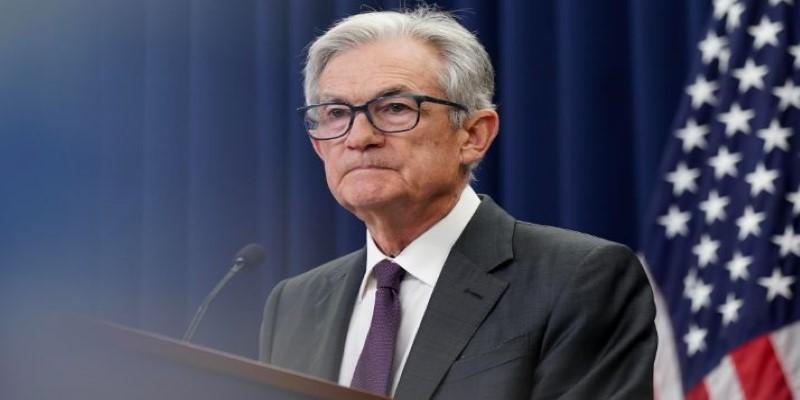
This wait-and-see approach reflects the Fed’s ongoing concern about inflation staying sticky. While goods prices have eased, services inflation—particularly in areas like housing and healthcare—has proven slower to decline. That complicates the outlook. The Fed doesn’t want to repeat the mistakes of the past, where rate cuts came too soon and inflation bounced back.
Powell also highlighted the importance of avoiding a “stop-and-go” approach to monetary policy. Cutting too early, only to hike again later, could confuse markets and unsettle the economy. The Fed wants to be sure inflation is not only falling but staying low before it takes that next step.
In short, the message from Powell wasn’t “no cut,” but rather “not yet.”
Market Reaction and Economic Implications
Financial markets reacted with modest volatility to the Fed’s decision and Powell’s remarks. Treasury yields rose slightly, reflecting lower odds of a September cut. Stocks gave up earlier gains during Powell’s press conference, while the dollar strengthened slightly. The bond market, which had previously priced in a greater chance of easing in the fall, began to adjust expectations.
For consumers and businesses, the pause means borrowing costs remain high, at least for now. Mortgage rates, auto loans, credit cards, and business financing are all tied to this policy stance. A delay in rate cuts could prolong that pressure, especially for first-time homebuyers and small firms managing tight budgets.
At the same time, the broader economy continues to grow, albeit more slowly. GDP growth for the second quarter came in at a solid pace, and while job growth has cooled from last year’s rapid levels, unemployment remains low. The Fed is trying to manage a tricky balance: slowing inflation without triggering a recession. So far, the soft-landing scenario remains on the table, but it’s far from guaranteed.
The central bank’s approach reflects a belief that patience now could prevent bigger problems later. But markets are likely to remain edgy until there’s more clarity from upcoming data. The possibility of a September move will keep investors and analysts focused on every major economic release in August.
What to Watch Before the Next Meeting?
With the next FOMC meeting set for September 17–18, attention will turn to the key data points that could tip the Fed one way or the other. These include the Consumer Price Index (CPI) readings for both July and August, the August jobs report, and potentially the Fed’s preferred inflation measure—the Personal Consumption Expenditures (PCE) index.

If inflation continues to cool and labor market data shows a gentle slowdown without a spike in unemployment, a rate cut in September could be back on the table. But if price growth holds steady or accelerates, or if wage growth picks up again, the Fed may hold off even longer.
Powell’s comments made it clear that no single number will decide the path. Instead, the committee is looking for consistent signals that inflation is truly on a sustainable path back to 2%. They want confidence, not hope.
For now, the base case is that rates stay where they are in September, with a possible cut later in the year. The Fed still expects to cut at least once before the end of 2025, but the timeline remains fluid. What’s clear is that the data will decide.
Conclusion
The July Fed meeting brought no rate changes, but Powell made one thing clear: a September cut isn't guaranteed. With inflation still above target and economic growth steady, the Fed is holding off until data justifies a move. Investors, businesses, and consumers will need to watch inflation and jobs reports closely. The Fed remains cautious, waiting for stronger evidence before making any decision. For now, rates stay unchanged, and uncertainty continues.